Grosvenor Stoke
Understanding Grosvenor Stoke: A Guide to the Area’s History, Economy, and Development
Grosvenor Stoke is a district within the city of Stoke-on-Trent in Staffordshire, England. The area has undergone significant transformations over the years, from its industrial heritage to modern-day regeneration efforts.
Geography and Climate The Grosvenor area lies near the western edge of Stoke-on-Trent, nestled between the River Trent and the A500 dual carriageway. Its proximity to the city center makes it an attractive location for businesses and residents alike. The grosvenorstoke.uk district experiences a temperate maritime climate with mild winters and warm summers.
History Historically, Grosvenor was home to various industries, including ceramics, coal mining, and engineering. In 2002, Stoke-on-Trent City Council launched the Vision Stoke scheme to revitalize neglected areas of the city, with Grosvenor being one of them. This initiative aimed to improve the local economy, housing, education, health, and community facilities.
Economy Grosvenor has undergone significant economic changes over the years. In 2016, a £26 million regeneration program was launched in conjunction with the Stoke-on-Trent City Council and various developers. The project focused on transforming underutilized land into new homes, businesses, and infrastructure. This effort aims to increase local employment opportunities, enhance community facilities, and improve housing options for residents.
Types of Businesses The Grosvenor area is home to a diverse range of commercial ventures. Some notable establishments include:
- Local convenience stores and shops offering everyday essentials
- Dining outlets catering to various tastes and dietary requirements
- Offices for professionals and businesses in the service sector
- Industrial spaces used by manufacturers, contractors, and logistics companies
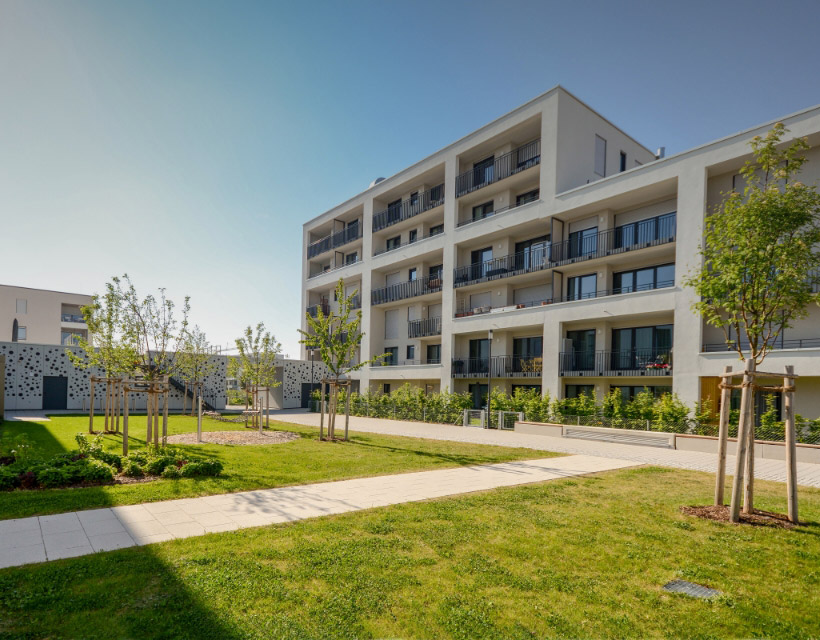
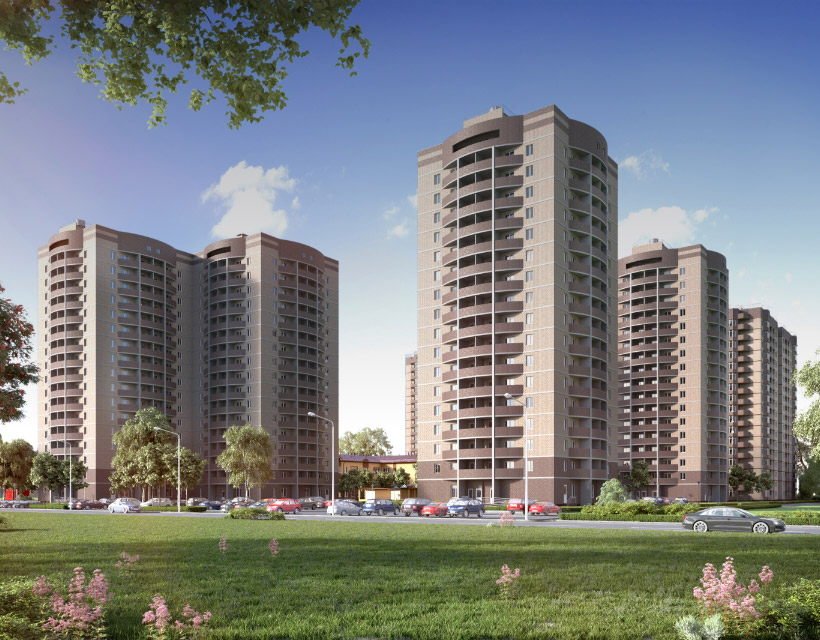
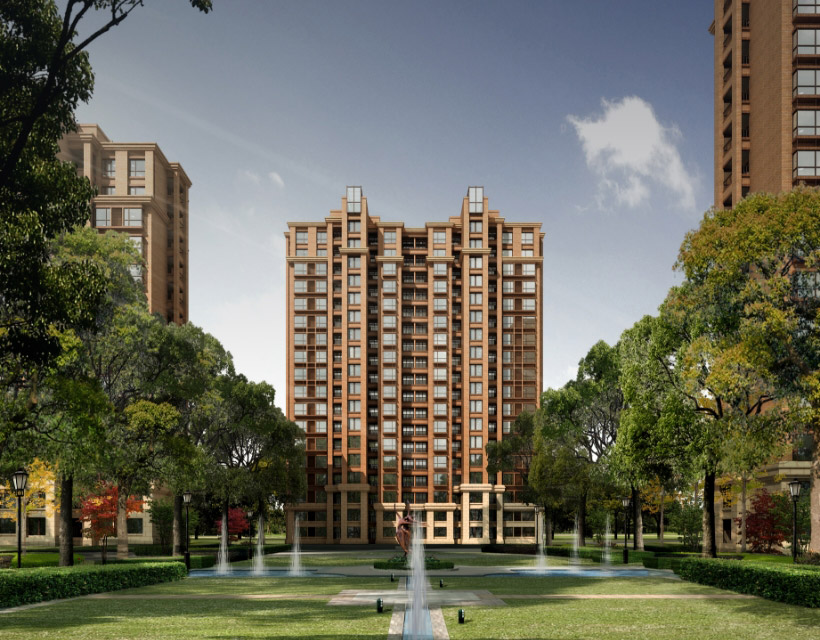
Housing and Urban Renewal In response to the Vision Stoke initiative, Grosvenor has undergone significant changes regarding housing. A mix of new developments, revitalized public spaces, and repurposed industrial areas now coexist.
The 2016 regeneration program targeted four strategic sites within Grosvenor for redevelopment: the site adjacent to Fenton Manor Sports Complex; a brownfield area near Glebe Farm Road; and two other plots earmarked for residential projects. This investment is expected to enhance local housing stock, improve community facilities, and provide modern amenities.
Education Grosvenor hosts several educational institutions catering to students of different age groups:
- Primary schools focusing on early education
- Secondary schools offering a range of GCSE and A-level courses
- Adult learning centers providing vocational training
Transportation Residents have access to various modes of transportation within Grosvenor, including local buses operated by Stagecoach East Midlands. For longer journeys or traveling farther afield, the nearby Hanley Railway Station offers regular services connecting Stoke-on-Trent with surrounding towns and cities.
Key Infrastructure Developments Efforts to revitalize Grosvenor’s infrastructure are ongoing:
- New public realm works along Fenton Manor Road have improved walking routes between community facilities and schools.
- A park-and-ride system is under consideration, leveraging available land near the Sports Complex for commuters using carpooling services or active travel.
Challenges and Opportunities While progress has been made in developing Grosvenor Stoke into a thriving local area with new businesses and homes, there remain areas of improvement:
- Further community consultation will be essential to tailor development projects toward residents’ needs.
- Addressing transportation connectivity with Hanley Railway Station is vital for the success of future developments.
Conclusion Grosvenor Stoke represents an exemplary example of urban regeneration in action. Its rich history, diversified economy, and accessible amenities contribute to a vibrant local environment ready for continued growth and investment. As stakeholders work together on long-term plans for transformation, residents can look forward to enhanced quality-of-life improvements within the district.
In terms of governance, collaboration is crucial between Stoke-on-Trent City Council and developers as they continue revitalizing the area through strategic partnerships and regeneration initiatives. The city’s 2019-2023 Local Plan emphasizes areas such as education provision, job creation, transportation options, public realm enhancements, and mixed-use urban developments to better meet residents’ demands.
By understanding Grosvenor Stoke within its historical context while accounting for present-day ambitions toward the future of this evolving area, we can see what the years ahead hold in terms of local improvement.