
Elegant_spaces_transformed_by_https_leoandblossom_co_uk_creating_lasting_impress
- Elegant spaces transformed by https://leoandblossom.co.uk, creating lasting impressions
- The Art of Space Planning and Layout
- Maximizing Small Spaces
- The Importance of Color and Texture
- Building a Color Palette
- Lighting Design: More Than Just Illumination
- Types of Lighting Fixtures
- The Role of Accessories and Personal Touches
- Creating a Harmonious Flow Throughout Your Home
Elegant spaces transformed by https://leoandblossom.co.uk, creating lasting impressions
Creating a home that reflects your personality and style is a deeply personal journey. It’s about more than just filling a space with furniture; it’s about cultivating an environment that nurtures well-being and inspires creativity. In today’s fast-paced world, the desire for tranquil and beautifully designed interiors is stronger than ever. Many people are seeking professionals who can translate their visions into reality, crafting spaces that are both functional and aesthetically pleasing. This is where companies like https://leoandblossom.co.uk step in, offering expertise in interior design and a commitment to transforming houses into homes. Their focus isn't just on trends, but on creating timeless elegance that endures.
The beauty of interior design lies in its ability to enhance our daily lives. A well-designed space can improve mood, boost productivity, and foster a sense of calm. Whether it’s a cozy living room, a functional kitchen, or a serene bedroom, every element should contribute to a harmonious whole. The team at https://leoandblossom.co.uk understands this holistic approach, working closely with clients to understand their needs and preferences. They believe in collaborative design, ensuring that the final result is a true reflection of the homeowner's individual taste and lifestyle. It’s about understanding how people live in a space, not just how it looks.
The Art of Space Planning and Layout
One of the most crucial aspects of interior design is effective space planning. Often, homeowners underestimate the impact of a well-considered layout. A poorly planned space can feel cramped and disorganized, even if it’s filled with beautiful furniture. The goal is to maximize functionality while maintaining an open and inviting atmosphere. This requires careful consideration of traffic flow, furniture placement, and the overall proportion of the room. Experienced designers can identify opportunities to create more usable space, perhaps by rearranging existing furniture or suggesting innovative storage solutions. It’s also important to consider the natural light and how it can be best utilized to enhance the space. Creating zones within a larger room – a reading nook, a dining area, or a home office – can also add functionality and visual interest. A skilled designer will work with you to optimize every inch of your home.
Maximizing Small Spaces
Small space living is increasingly common, and requires particularly clever design solutions. Utilizing vertical space is key – think tall bookshelves, wall-mounted storage, and mirrors that create the illusion of depth. Multifunctional furniture, such as sofa beds and storage ottomans, can also be invaluable. Furthermore, choosing a light and airy color palette can make a small space feel larger and more open. Avoiding clutter is paramount, as even a small amount of mess can quickly overwhelm a confined area. At https://leoandblossom.co.uk, they often employ techniques like built-in storage and custom shelving to seamlessly integrate functionality without sacrificing style. Clever lighting solutions, like strategically placed spotlights or pendant lights, can also draw the eye upwards, visually expanding the space.
The strategic use of color is another powerful tool. Light, neutral tones tend to reflect light and make a space feel more open. However, don’t be afraid to introduce pops of color through accessories, artwork, or accent walls. These can add personality and visual interest without overwhelming the space. Ultimately, maximizing a small space is about prioritizing functionality and embracing creative design solutions. A professional interior designer can help you navigate these challenges and create a comfortable and stylish home, regardless of its size.
| Living Room | Focal point (fireplace, TV), seating arrangement for conversation, traffic flow, lighting for ambiance and function. |
| Kitchen | Work triangle (sink, stove, refrigerator), storage solutions, counter space, lighting for food preparation. |
| Bedroom | Bed placement, storage for clothing, bedside tables and lighting, creating a restful atmosphere. |
| Bathroom | Vanity and storage, shower or tub placement, lighting for grooming, ventilation. |
Understanding the principles of space planning is just the first step. The next involves selecting furniture and accessories that complement the space and enhance its functionality. This is where a designer’s expertise truly shines, helping clients choose pieces that are both beautiful and practical.
The Importance of Color and Texture
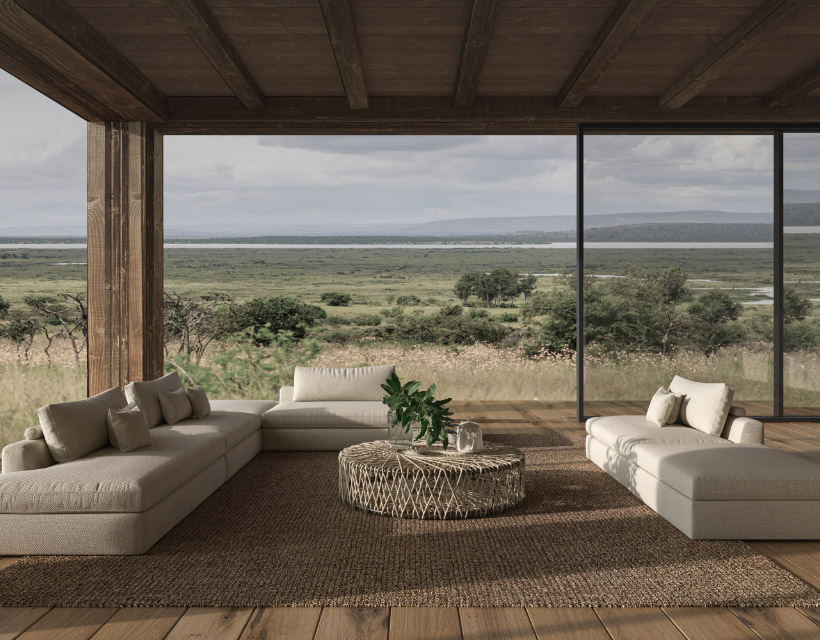
Color profoundly influences mood and atmosphere. A calming blue can create a serene bedroom, while a vibrant yellow can energize a kitchen. Understanding color psychology is key to creating a space that feels harmonious and inviting. Beyond color, texture adds depth and interest to an interior. Combining smooth surfaces with rough textures, or matte finishes with glossy accents, can create a dynamic and visually appealing space. Think of pairing a velvet sofa with a woven rug, or a polished wooden table with linen curtains. Layering textures adds complexity and prevents a room from feeling flat or one-dimensional. The team at https://leoandblossom.co.uk are particularly adept at using color and texture to create spaces that are both sophisticated and comfortable. Their portfolio showcases a mastery of combining different materials and finishes to achieve a cohesive and stylish look.
Building a Color Palette
Developing a cohesive color palette is essential. Start with a neutral base – whites, grays, or beiges – and then introduce accent colors through furniture, accessories, and artwork. It’s often helpful to draw inspiration from a single piece, such as a painting or a rug, and build the palette around that. A useful rule of thumb is the 60-30-10 rule: 60% of the room should be dominated by your primary color, 30% by a secondary color, and 10% by an accent color. This creates balance and visual interest. Don't be afraid to experiment with different shades and tones within your chosen palette. For example, you might use a deep teal as your primary color, a lighter aqua as your secondary color, and a warm gold as your accent color. Consider the natural light in the room when selecting colors. North-facing rooms tend to be cooler, so warmer colors can help to create a more inviting atmosphere. Conversely, south-facing rooms receive plenty of sunlight, so cooler colors can help to balance the heat.
Choosing the right textures is equally important. Think about the materials used in your furniture, flooring, and window treatments. A combination of soft and hard textures can add depth and visual interest. Don't be afraid to mix and match different patterns and prints, but make sure they complement each other in terms of color and style.
- Natural fibers like linen and cotton add warmth and texture.
- Velvet and silk introduce a luxurious feel.
- Wood and stone provide grounding elements.
- Metal accents add a touch of sophistication.
The subtle interplay of color and texture can dramatically transform a space, creating a harmonious and inviting atmosphere.
Lighting Design: More Than Just Illumination
Lighting is often an overlooked element of interior design, yet it plays a crucial role in setting the mood and enhancing the functionality of a space. Effective lighting design involves layering different types of light – ambient, task, and accent – to create a balanced and inviting atmosphere. Ambient lighting provides overall illumination, while task lighting focuses on specific areas for activities like reading or cooking. Accent lighting highlights artwork or architectural features, adding depth and visual interest. The correct choice of light bulbs is also important – LED bulbs offer energy efficiency and long-lasting performance. Dimmer switches are also a valuable investment, allowing you to adjust the intensity of the light to suit your mood and needs. Considering the natural light available is also essential. Utilizing sheer curtains or strategically placed mirrors can maximize daylight and create a brighter, more airy space. A well-lit home feels more welcoming and comfortable.
Types of Lighting Fixtures
There’s a vast array of lighting fixtures available, each serving a different purpose. Pendant lights are ideal for illuminating kitchen islands or dining tables, while recessed lighting provides a clean and minimalist look. Table lamps and floor lamps add warmth and ambiance, while wall sconces can create a soft, diffused light. Chandeliers can make a statement in a formal dining room or living room. When selecting lighting fixtures, consider the style of your home and the overall aesthetic you’re trying to achieve. At https://leoandblossom.co.uk, they often recommend a combination of different fixture types to create a layered and sophisticated lighting scheme. They also consider the size and proportion of the room when choosing fixtures, ensuring that they are appropriately scaled to the space.
The goal is to create a lighting plan that is both functional and aesthetically pleasing, enhancing the beauty and comfort of your home.
- Assess the natural light available in each room.
- Layer different types of lighting (ambient, task, accent).
- Choose light bulbs with the appropriate color temperature and brightness.
- Consider dimmer switches for flexibility.
- Select fixtures that complement your home’s style.
The Role of Accessories and Personal Touches
Accessories are the finishing touches that bring a space to life. They’re the elements that add personality, warmth, and visual interest. This includes everything from artwork and photographs to cushions, throws, and decorative objects. Accessories should complement the overall design scheme and reflect the homeowner's individual taste. Don't be afraid to mix and match different styles and textures, but make sure they are cohesive. A gallery wall of framed prints can add a personal touch to a living room, while a collection of vintage books can create a cozy reading nook. Plants can bring a sense of life and freshness to any space. The key is to curate a collection of accessories that are meaningful and aesthetically pleasing. At https://leoandblossom.co.uk, they emphasize the importance of personalization, working with clients to incorporate their cherished belongings and create spaces that truly feel like home.
Creating a Harmonious Flow Throughout Your Home
A truly well-designed home feels cohesive and harmonious. This means creating a consistent style and color palette throughout the different rooms, while also allowing each space to have its own unique personality. Consider the flow of traffic and how different rooms connect to each other. Use similar flooring or wall colors to create a sense of continuity. Repeat certain design elements, such as patterns or textures, to tie the different spaces together. However, avoid being too rigid – a little bit of variation can add visual interest and prevent the home from feeling monotonous. The art of interior design is about creating a balance between consistency and individuality, resulting in a space that is both beautiful and functional. A thoughtful and deliberate approach to design can transform a house into a home that truly reflects your lifestyle and personality, with the guidance of experts at https://leoandblossom.co.uk.
Ultimately, investing in thoughtful interior design is an investment in your well-being. A well-designed home can provide a sanctuary from the stresses of daily life, a space where you can relax, recharge, and connect with loved ones. It’s about creating a home that nurtures your soul and inspires you to live your best life.


Tinggalkan Balasan